
The Republicans who currently represent Outagamie County in Congress (Tony Wied and Glenn Grothman) have a record, and a plan. Here is what they have already done to Outagamie County families, and what they are campaigning to do next, in conjunction with Governor candidate Tom Tiffany.
Who voted for this
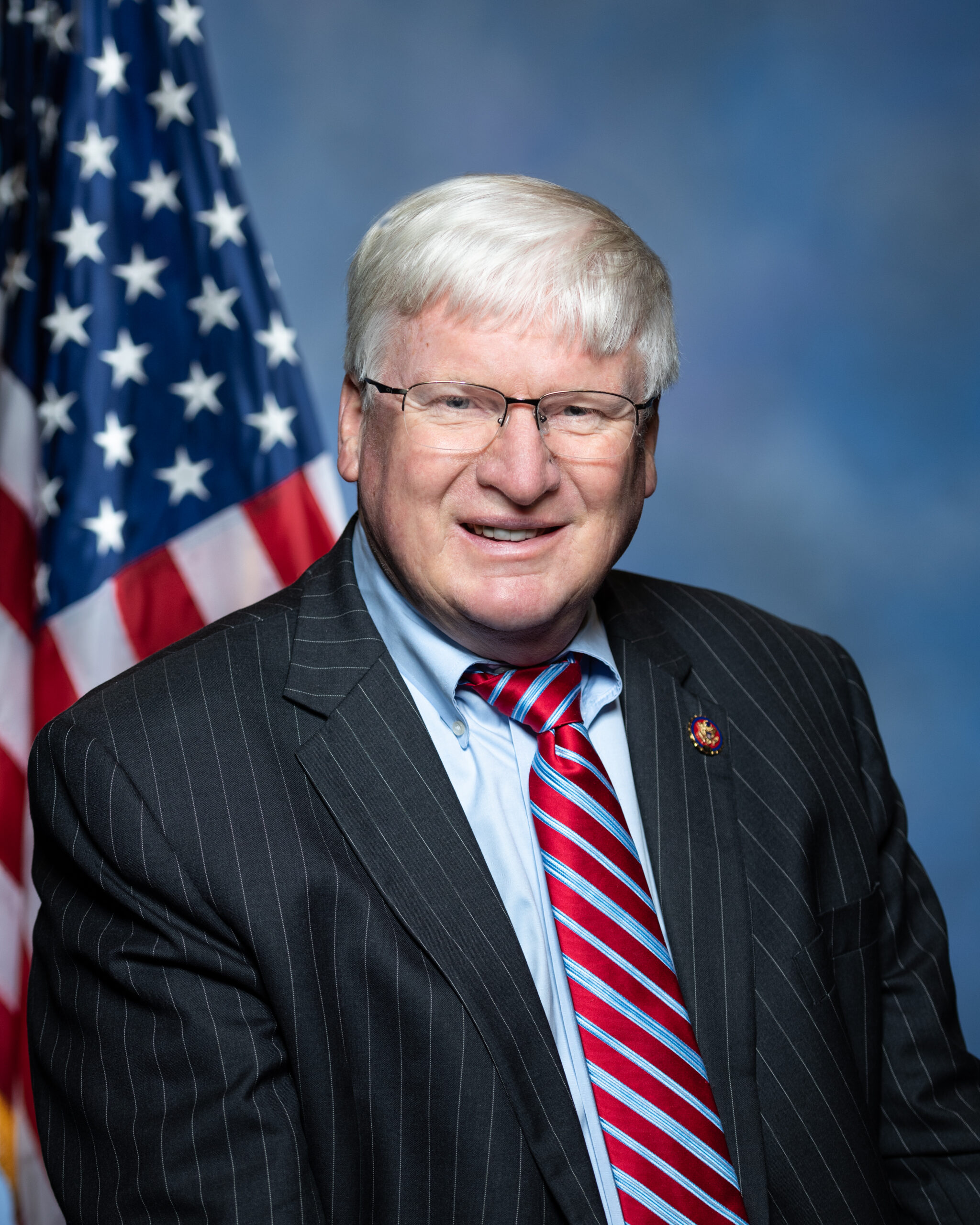 Glenn GrothmanU.S. House, WI-6
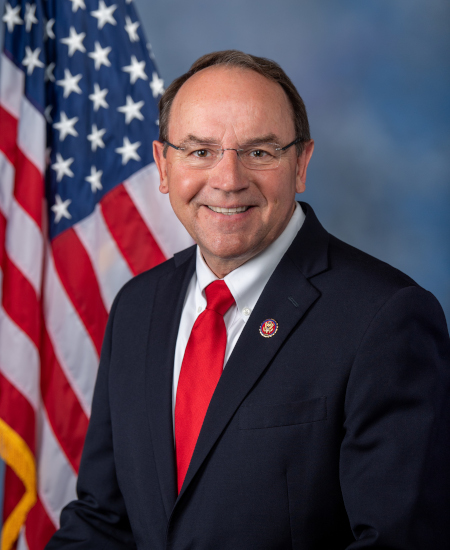 Tom TiffanyU.S. House, WI-7
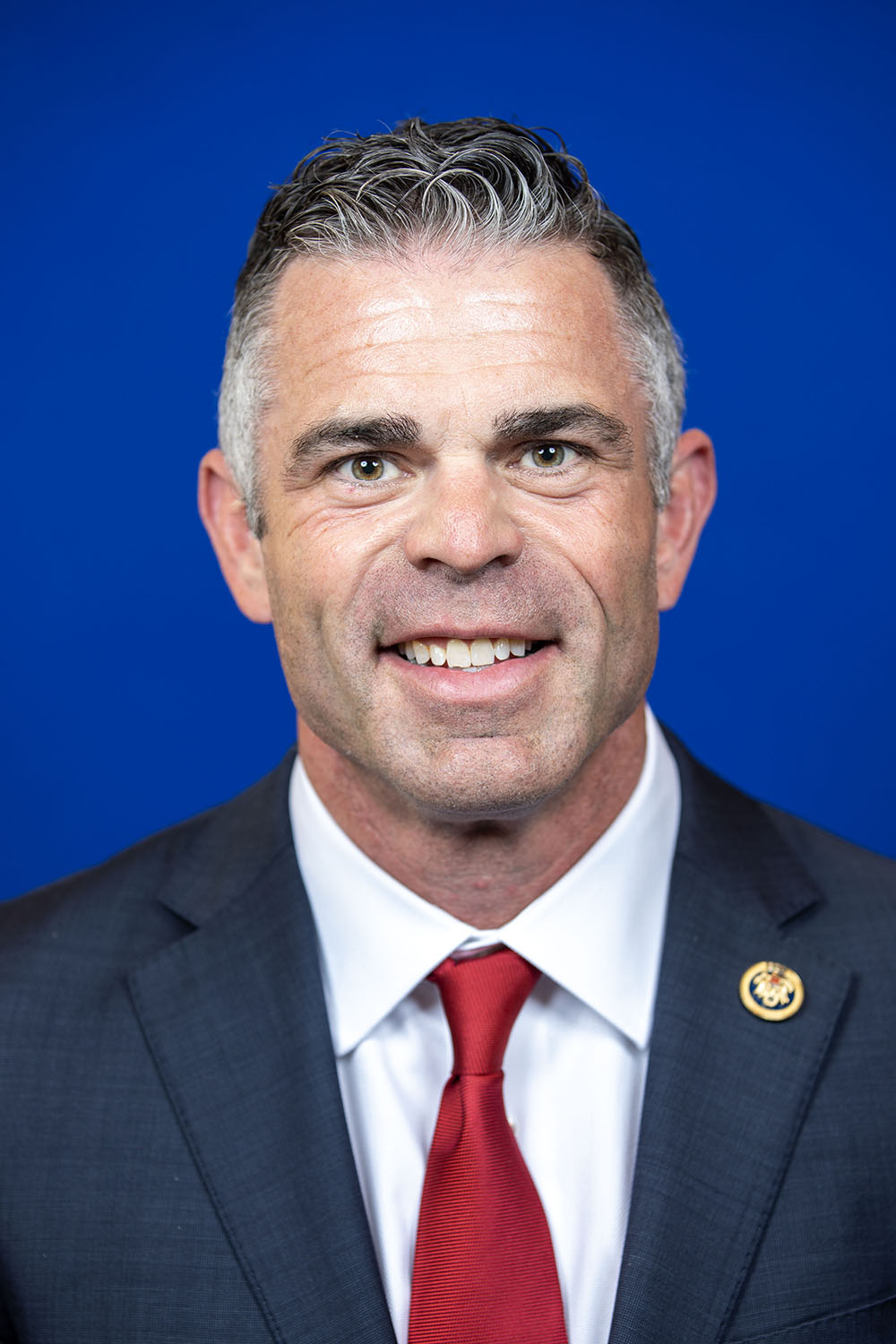 Tony WiedU.S. House, WI-8
Glenn Grothman and Tony Wied, the two Republican congressmen who represent Outagamie County, both voted YES on the “One Big Beautiful Bill” (H.R.1) on July 3, 2025, voting to cut their own constituents’ food and health care. Tom Tiffany, who represents north-central Wisconsin, voted for it too, and is now the Republican running for Governor.
What they have already done
Their vote for the “One Big Beautiful Bill” cuts more than $1 trillion from SNAP and Medicaid nationally. In Outagamie County, that lands on real households.
in Outagamie County, including 6,739 households, rely on the FoodShare food assistance this law cuts, and 20,060 residents are enrolled in the BadgerCare Plus health coverage it cuts.
- 13,119 Outagamie residents (6,739 households) count on FoodShare to buy groceries, about $2.2 million in benefits reaching local families every month.
- 20,060 Outagamie residents get their health coverage through BadgerCare Plus, Wisconsin’s largest Medicaid program.
- The nonpartisan Congressional Budget Office finds the lowest-income households, the ones most likely to be these neighbors, lose about $1,200 a year (3.1% of their income) once the law’s tax and program changes are combined.
Where the money went instead
This is the trade Grothman, Tiffany, and Wied voted for. The same law hands out about $4.5 trillion in tax cuts. More than 70% goes to the richest fifth of households; less than 1% goes to the poorest fifth. In Wisconsin, the top 1% get an average cut of about $66,950 a year. Set against what our neighbors earn and are losing:
the average tax cut for a single Wisconsin top-1% household, is about 81% of what a typical Outagamie family earns in an entire year ($82,857).
- That same $66,950 would cover a full year of FoodShare groceries for about 17 Outagamie families.
- The $2.16 billion in tax cuts flowing to Wisconsin’s richest 1% in a single year could fund Outagamie County’s entire FoodShare program for about 81 years.
- Every dollar of the roughly $186 billion cut from food assistance and $911 billion cut from health coverage helps offset those tax cuts, cuts that reach 33,179 Outagamie residents across FoodShare and BadgerCare Plus.
What they plan to do next
The July 2025 vote was not the end of it. Every one of these Republicans is campaigning to keep going, more tax cuts for the top income earners, and for the lowest income earners, more service cuts and conditions on the programs Outagamie families count on.
Campaigning to make the tax cuts permanent and to make food-assistance work requirements mandatory, ending the waivers states use in hard times.
“Making work requirements mandatory will address all of these problems.”
Campaigning to keep extending the tax cuts he voted for, the same law that cuts SNAP and Medicaid.
“I was proud to support this bill.”
Wants to be the governor who sets Wisconsin’s BadgerCare, FoodShare, and tax policy. Opposes Medicaid expansion, backs welfare work requirements, and voted for the federal Medicaid cuts.
The same officials who voted to cut food and health care for Outagamie families are now asking voters to send them back, and Tom Tiffany to the Governor’s office, to do more of it.
How to read this: These are real public dollars, tax revenue the government gives up set against program spending it takes away, not campaign money or personal wealth. Figures reflect the enacted law (Public Law 119-21) over 2025–2034. The $4.5 trillion tax-cut total is the Joint Committee on Taxation’s conventional score under a current-law baseline; supporters cited a smaller figure under a different baseline. See sources below.
Sources & methodology
Outagamie County FoodShare (July 2026): 13,119 recipients, 6,739 households, $2,211,255 in monthly benefits. Wisconsin DHS: dhs.wisconsin.gov/foodshare. Per-household year computed from these totals (~$3,938/household/year); county FoodShare program = ~$26.5M/year.
Outagamie County BadgerCare Plus (July 2026): 20,060 enrolled. WI DHS: dhs.wisconsin.gov/badgercareplus. (BadgerCare Plus is Wisconsin’s largest Medicaid program.)
Outagamie County median household income ($82,857). U.S. Census Bureau QuickFacts, 2019–2023 American Community Survey 5-year estimate (in 2023 dollars): census.gov/quickfacts (Outagamie County, WI).
Net effect by income, confirmed: lowest households about −$1,200/yr (−3.1% of income); highest households about +$13,600/yr. Congressional Budget Office, “Distributional Effects of Public Law 119-21” (August 2025): cbo.gov/publication/61367 (PDF). CBO attributes the low-income losses mainly to the Medicaid and SNAP cuts, and the high-income gains mainly to the tax provisions.
The vote (the “One Big Beautiful Bill,” H.R.1, Roll Call 190, July 3, 2025, passed 218–214). U.S. House Clerk official record: clerk.house.gov/Votes/2025190. Grothman, Tiffany, and Wied each recorded “Aye.”
Tax cuts total (~$4.5 trillion, 2025–2034, conventional score). Joint Committee on Taxation, via the Center on Budget and Policy Priorities: cbpp.org.
Distribution (over 70% of cuts to the richest fifth; under 1% to the poorest fifth). Institute on Taxation and Economic Policy, enacted-law analysis (2026 estimates): itep.org.
Wisconsin top 1% ($66,950 average; ~$2.16 billion aggregate, 2026). ITEP state-by-state tables: itep.org (top 1% by state).
Candidate positions (“what they plan to do next”). Grothman: July 3, 2025 release (making the tax cuts permanent) and 2017 food-assistance work-requirements release. Wied: May 29, 2025 statement. Tiffany: campaign platform, Medicaid vote via Urban Milwaukee, tips/overtime plan via WSAW.
SNAP cut (~$186 billion) and Medicaid cut (~$911 billion). CBO estimates, via CBPP and KFF: cbpp.org (SNAP), kff.org (Medicaid).
These cuts were a choice. The next election is yours.
The votes behind these numbers were cast by people on our ballot. You get the next word.
Meet the candidatesVolunteerDonate